Why Well-Planned Signage Defines Business Credibility

Business credibility is built long before a customer speaks to staff or experiences a service. One of the most influential factors shaping that perception is signage. In a commercial environment like St. John’s, where businesses rely on both local loyalty and new customer discovery, signage quietly communicates legitimacy, professionalism, and trustworthiness.

At its most basic level, signage identifies a business. Yet effective signage does far more than display a name. It tells customers that a business is established, invested in its image, and confident in its offering. A well-crafted sign suggests permanence—an important psychological cue for customers deciding where to spend their money.

Visibility is the foundation of credibility. If a business is difficult to find or visually confusing, customers may assume it lacks organization or reliability. Clear, professionally executed signage removes doubt. Many companies invest in professional business signage planning to ensure their signs are readable, properly positioned, and aligned with their brand image.

Design choices play a critical role in how signage is interpreted. Clean typography signals clarity and confidence, while thoughtful spacing makes information easier to absorb. Overcrowded designs can overwhelm viewers and reduce trust. Strong signage communicates only what is necessary, allowing the brand to speak with confidence rather than noise.

Color selection is another subtle but powerful influence. Colors evoke emotional responses and shape expectations. Neutral tones often suggest stability, while bold colors convey energy and innovation. Businesses that understand these effects use signage strategically to match their brand personality.

Material quality reinforces credibility as well. Signs constructed from durable, high-grade materials maintain their appearance over time, even in challenging weather conditions. Businesses that rely on durable commercial sign materials protect their image by ensuring signage remains clean, intact, and visually appealing year after year.

Lighting further enhances perception. Properly illuminated signage improves readability during evening hours and adds a polished, professional appearance. Lighting should enhance visibility without appearing harsh or distracting, maintaining a balance between function and aesthetics.

Interior signage continues reinforcing credibility once customers step inside. Directional signs, branded displays, and informational graphics create a sense of structure and organization. Customers feel more confident navigating a space when information is clearly presented.

Consistency across all signage strengthens trust. When exterior signs, interior graphics, and supporting visuals share the same colors, fonts, and tone, customers perceive the business as cohesive and dependable. Inconsistent signage can unintentionally suggest disorganization.

Local alignment is another factor. Signage that respects the surrounding environment feels intentional rather than intrusive. Businesses that integrate subtle local influences into their signage often feel more approachable and community-oriented. This connection builds goodwill and loyalty.

Credibility is not built overnight, but signage accelerates the process. As customers repeatedly see a well-designed sign, familiarity grows. Over time, that familiarity becomes trust. Many businesses strengthen this effect through consistent storefront branding elements that reinforce recognition day after day.

Ultimately, signage defines how a business is perceived before any interaction occurs. By prioritizing thoughtful design, quality materials, and strategic placement, businesses establish credibility that supports long-term success.

The Role of Design in Building Strong Brand Connections

Brand connection goes beyond recognition—it’s about how customers feel when interacting with a business. Graphics and design play a critical role in shaping these emotional responses. From the first impression to ongoing engagement, visuals influence how brands are remembered and trusted.

Consistent branding helps establish familiarity. When customers repeatedly see the same colors, typography, and visual style, it creates a sense of reliability. This consistency is achieved through thoughtful design systems that guide all visual assets. Businesses that invest in consistent brand identity often experience stronger customer loyalty.

Storytelling is another area where design excels. Visual elements can communicate a brand’s mission, values, and personality without relying solely on text. Imagery, layouts, and graphic elements work together to tell a cohesive story that resonates with audiences.

Design also enhances user experience. Whether navigating a website or reviewing marketing materials, clear visual hierarchy helps users find information quickly. Designers structure content in ways that feel intuitive, reducing frustration and increasing engagement. Companies prioritizing user-focused design approach often see higher satisfaction levels.

Print design remains important alongside digital assets. Business cards, brochures, packaging, and signage still influence purchasing decisions. Professional design ensures printed materials align with digital branding, reinforcing recognition across all touchpoints.

Another benefit of working with skilled designers is adaptability. As trends evolve, designers help brands stay current without losing their core identity. This balance allows businesses to modernize while maintaining familiarity, an important factor in long-term branding success.

Design collaboration also fosters creativity. Designers bring fresh perspectives and ideas that clients may not have considered. This creative input can elevate branding beyond basic expectations, helping businesses stand out in competitive markets.

For growing businesses, strong design supports scalability. A solid visual foundation makes it easier to expand marketing efforts, launch new products, or enter new markets. Companies seeking scalable design solutions often find that early investment in branding pays dividends later.

Ultimately, graphic design is a bridge between businesses and their audiences. It shapes perception, builds trust, and creates emotional connections. By prioritizing thoughtful design, companies strengthen their brand presence and create experiences that customers remember long after the first interaction.

Technological Integration in Interior Design: The Adoption of Powered Blinds for Windows

The evolution of window treatments  in Indianapolis has extended beyond conventional aesthetics and functionality, embracing technological innovation that redefines the way individuals interact with their interior environments. In Indianapolis, the integration of powered blinds for windows represents an important shift in the relationship between design, technology, and everyday living. These automated systems not only provide convenience but also embody broader cultural and economic transformations that situate the city within a global framework of smart living and sustainable design.

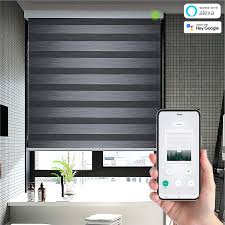
Indianapolis powered blinds have emerged as an essential component in the design of modern residential and commercial spaces due to their capacity to combine efficiency, luxury, and adaptability. Unlike traditional blinds, powered systems allow users to regulate natural light, enhance privacy, and optimize energy use through remote controls, mobile applications, or voice-command interfaces. In Indianapolis, where climatic variation is significant across the seasons, this capacity for precise regulation of light and temperature offers practical advantages. Households and businesses benefit from improved insulation, reduced energy consumption, and greater comfort, aligning with the increasing prioritization of sustainability in urban development.

The adoption of powered blinds in Indianapolis also reflects larger sociocultural shifts toward technologically enhanced lifestyles. As the city expands its identity as a center for innovation, commerce, and culture, its residents increasingly seek home and workplace solutions that merge convenience with contemporary design. Powered blinds, often marketed as premium products, satisfy both functional and symbolic needs by providing not only energy efficiency but also a demonstration of status and alignment with global trends in smart home living. The rising popularity of smart home ecosystems in Indianapolis reinforces this trend, as powered blinds integrate seamlessly with other automated systems such as lighting, heating, and security.

Architecturally, powered blinds contribute to the flexibility and adaptability of spaces. Indianapolis has witnessed significant growth in both historic renovations and new construction, with homeowners and developers seeking window treatments that can accommodate diverse architectural demands. Powered blinds are particularly valuable in spaces with expansive or difficult-to-reach windows, allowing for effortless control that would otherwise be cumbersome with manual systems. Moreover, their sleek design and advanced material composition enable them to harmonize with a wide range of interior styles, from traditional Midwestern residences to ultramodern downtown condominiums.

In conclusion, powered blinds for windows in Indianapolis illustrate the interplay of technology, design, and cultural aspiration in shaping contemporary interior environments. Their adoption is not merely a reflection of aesthetic preference but a broader movement toward sustainable living, technological integration, and modern urban lifestyles. As Indianapolis continues to develop as a city that balances tradition with innovation, powered blinds stand as a symbol of how local design practices engage with global trends to redefine comfort, efficiency, and luxury in the built environment.

How a Photovoltaic (PV) System Works: Functionality and Adaptation in a Northern Urban Climate

Photovoltaic (PV) systems have become an increasingly vital component of sustainable urban development, particularly in cities like Pittsburgh that are actively pursuing greener energy strategies. Although Pittsburgh experiences a temperate climate with varying levels of sunlight throughout the year, advancements in solar technology have made PV systems highly adaptable and effective, even in locations that are not traditionally associated with high solar irradiance. Understanding how a PV system functions within the specific environmental and infrastructural context of Pittsburgh is essential for assessing its practicality, efficiency, and contribution to the city’s clean energy transition.

At the core of a PV system are solar panels composed of multiple photovoltaic cells, typically made from silicon semiconductors. These cells generate direct current (DC) electricity when exposed to sunlight through a process known as the photovoltaic effect. The amount of electricity produced depends on the intensity and angle of the sunlight, which in Pittsburgh fluctuates seasonally. Despite the city’s average of 160 sunny days per year, modern PV panels are capable of capturing diffuse sunlight and converting it into usable energy, making them suitable even under cloudy or overcast conditions common in the region.

Once DC electricity is generated by the solar panels, it must be converted into alternating current (AC) electricity to be compatible with standard household appliances and the public utility grid. This is achieved through an inverter, a critical component of the PV system that ensures the electrical output meets the required voltage and frequency standards. In Pittsburgh, inverters also support grid integration by enabling net metering, a policy that allows surplus electricity generated during the day to be sent back to the grid in exchange for credits. These credits can then offset electricity consumption during nighttime or periods of low solar production, thereby enhancing the financial efficiency of the system.

PV systems in Pittsburgh can be designed as grid-tied, off-grid, or hybrid configurations. Most residential and commercial systems in the city are grid-tied, meaning they remain connected to the utility grid for backup power while benefiting from net metering. Off-grid systems, although less common in urban environments, are used in remote or self-sufficient applications and typically include battery storage to provide electricity when solar generation is unavailable. Hybrid systems combine the benefits of both, incorporating battery storage while maintaining grid connectivity, offering greater energy independence and resilience during power outages.

Installation practices in Pittsburgh often take into account the city’s architecture, roof angles, and orientation to maximize solar exposure. South-facing rooftops with minimal shading are ideal for capturing the highest amount of solar energy throughout the day. Installers also consider the local climate, using weather-resistant mounting systems and technologies designed to perform well in colder temperatures, snow accumulation, and variable weather patterns typical of western Pennsylvania.

Another important component of PV systems in Pittsburgh is the monitoring system, which tracks energy production, system performance, and potential issues. Digital platforms allow users to observe real-time data on energy generation and consumption, offering insights into system efficiency and enabling timely maintenance. Regular monitoring ensures that the PV system continues to perform optimally across changing weather conditions and seasonal variations.

In conclusion, a PV system in Pittsburgh functions through a coordinated integration of solar panels, inverters, grid connections, and monitoring technologies, all of which are adapted to the city’s unique environmental and infrastructural conditions. Despite the region’s moderate sunlight, the efficiency of modern photovoltaic technology enables reliable and cost-effective solar energy generation. As Pittsburgh advances its climate goals and increases support for renewable energy infrastructure, PV systems will play an essential role in transforming the city’s energy landscape and promoting long-term sustainability.

Custom Label Printing: The Key to Effective Branding and Packaging

In the modern marketplace, where competition is fierce and consumers are more discerning than ever, custom label printing has become a critical tool for businesses looking to stand out. A well-designed, high-quality label can make the difference between a product being picked off the shelf or overlooked entirely. This article explores the significance of custom label printing, its applications, and how businesses can leverage it to enhance their branding and product appeal.

What is Custom Label Printing?

Custom label printing involves designing and producing labels tailored to a specific brand, product, or purpose. Unlike generic labels, custom labels are unique in design, incorporating a brand’s logo, colors, and messaging to create a cohesive identity. They can be produced in various sizes, shapes, and finishes to suit a wide range of products.

Why Custom Labels Matter

Custom labels are a cornerstone of brand identity. They communicate a product’s essence and reflect the company’s values. A distinctive label reinforces brand recognition, making it easier for customers to associate a product with a brand. Eye-catching labels can immediately grab the attention of potential buyers. With vibrant colors, innovative designs, and premium finishes, custom labels create a memorable first impression that can drive sales. Labels provide essential information, such as ingredients, usage instructions, and safety guidelines. Custom designs ensure that this information is presented clearly and in line with the brand’s aesthetic.

Versatility Across Industries

From food and beverage to cosmetics and pharmaceuticals, custom labels are crucial in virtually every industry. They help products comply with regulations while maintaining visual appeal. Popular types of custom labels are paper labels, vinyl labels, clear labels, foil-stamped labels, and eco-friendly labels. Cost-effective and versatile, paper labels are ideal for short-term use and products stored indoors. Vinyl labels are known for their durability, vinyl labels resist water, UV light, and abrasion, making them perfect for outdoor or high-moisture environments. Clear labels create a sleek, minimalist look, giving the impression that the design is directly printed on the product. Foil-Stamped Labels are for a luxurious feel, foil stamping adds metallic accents, often used in premium product packaging. Eco-Friendly Label, with sustainability becoming a priority, many businesses opt for recyclable or biodegradable materials for their custom labels.

The Custom Label Printing Process

Design Creation is conceptualized, often incorporating the brand’s colors, typography, and imagery. Phoenix Printing Services’ professional graphic designers can ensure the label aligns with branding goals.

Material Selection, depending on the product’s environment (e.g., refrigerated, outdoors, or retail shelves), the right material is chosen to ensure durability and visual appeal.

Printing Method

Printing method includes digital printingwhich is ideal for small runs with high-quality results. Flexographic Printing is suited for larger quantities, offering efficiency and cost-effectiveness. Offset Printing is best for intricate designs requiring high detail. 

Benefits of Custom Label Printing for Businesses

Flexibility and Personalization: Custom labels allow businesses to tailor their messaging for specific markets, seasons, or promotional campaigns.

Scalability: Whether a business needs a small batch for a new product launch or large quantities for mass production, custom label printing accommodates varying needs.

Professionalism: High-quality labels lend credibility to products, signaling to customers that they are purchasing from a reputable brand.

Increased Sales: An attractive label often translates to better shelf presence, leading to higher sales and customer retention.

Future Trends in Custom Label Printing

Smart Labels:  Technologies like QR codes and NFC (near-field communication) are being integrated into labels, offering interactive experiences and detailed product information.

Sustainable Printing Practices: The use of eco-friendly inks and materials continues to grow as consumers prioritize sustainability.

Augmented Reality (AR) Integration: AR-enabled labels allow customers to interact with products through their smartphones, creating immersive brand experiences.

Custom label printing is more than just a practical necessity; it’s a strategic investment in a product’s success. By combining functionality, creativity, and technology, businesses can craft labels that not only capture attention but also build lasting relationships with their customers.

Whether launching a new product or refreshing an existing line, custom labels provide an opportunity to make a strong, impactful statement in a crowded market.

Gold IRA FAQ – Answers to Your Top Questions on Precious Metal Investing

If you are interested in diversifying your retirement portfolio with a precious metals investment, you may have many questions about the process. This article is designed to help you understand your options and to make the best decision for your specific financial situation. Before making any decisions, we recommend consulting with a professional to get personalized guidance and avoid costly mistakes.

Gold IRAs can be an effective way to protect your savings from market fluctuations and economic uncertainty. They offer unique advantages, such as serving as a hedge against inflation and providing a tangible asset with intrinsic value that other investments cannot match. They also have a history of maintaining their value during periods of financial instability.

Precious metals have a natural tendency to increase in value during times of high inflation, and they can act as a valuable counterbalance to stocks and bonds when prices are declining. This makes them a great option for investors seeking a more stable source of income in their retirement portfolios. But before you decide to invest in a Gold IRA, you should take the time to research and compare providers and their fees, storage options, and buyback policies. A reputable company will be willing to answer any of your questions and provide you with the transparency you need to feel confident about your decision.

Self-Directed IRAs (SDIRAs) allow investors to purchase precious metals directly from a qualified vendor. This type of IRA is more flexible than traditional IRAs, and allows you to choose from four different precious metals: gold, silver, platinum, and palladium. These metals must meet certain purity and weight requirements to be eligible for an SDIRA. Additionally, the metals must be stored in an IRS approved depository and kept separate from your personal holdings to avoid hefty fines from the IRS.

Investors can choose to purchase physical metals in the form of coins and bullion bars, or they can opt for a more cost-effective route by investing through exchange-traded funds (ETFs) or mutual funds that track the performance of a specific precious metal. While this is a much easier and less time-consuming way to invest in gold, it may not provide you with the same level of liquidity that physical metals do.

When choosing a Gold IRA provider, you should look for one that offers competitive pricing with no hidden fees and provides transparent information about their purchasing and storage processes. It is also important to find a company that offers a range of resources for their clients, such as free guides, articles, and webinars, to further educate them about the gold industry. This will show you that they care about their clients’ financial well-being and are invested in helping them reach their retirement goals. Choosing a precious metal IRA company with these qualities can ensure that your investment experience is a positive one and set you up for success in retirement. Contact a reputable dealer today to begin your journey into the world of precious metal investing. For more detail on gold IRA visit https://www.pennsylvaniagoldbuying.com/.

How to Choose a Probate Attorney

Probate Attorney

Probate Attorneys are lawyers who deal with estate law, specifically settling an individual’s assets after death. This includes figuring and gathering their assets, paying off debts and distributing their final assets to heirs or beneficiaries. It’s a court-supervised process that can be a long, drawn-out affair with loads of paperwork.

Many people wonder if they should hire a probate lawyer, and that depends on a few factors. How comfortable you feel navigating probate, how complicated your state laws are and how big or extensive the estate is will all play a role in whether you need an experienced attorney to help.

Some small estates may not even need a probate attorney. If the estate is below a certain dollar amount for value, it can qualify for an informal probate procedure that is much faster and less cumbersome. But in most cases, a probate lawyer will be necessary to ensure that the proper steps are taken to disperse the estate according to the decedent’s wishes and state laws.

In addition to helping with the transfer of assets, a Chicago probate attorney can also assist in other legal proceedings related to an estate. For instance, if a dispute arises about the will, this type of attorney can represent the interests of the estate and heirs in court. This can avoid conflicts and help settle disputes without the need to take them all the way to court.

When choosing a Probate Attorney, it’s important to ask how long they have been practicing law. The longer an attorney has been in practice, the better they will be at navigating the nuances of estate law and getting things done quickly for their clients. They will be familiar with the judges they work with, and the way each county handles probate matters. This is especially important if you live in a state with different rules and procedures than yours.

Another important question to ask is how they charge for their services. Will they charge a flat fee, a percentage of the estate or hourly? It’s a good idea to choose an attorney who charges by the hour, as this can save you money in the long run. Additionally, it’s important to find out how long they think the probate process will take. The longer it drags on, the more expensive your attorney’s fees will become.

A good Probate Attorney will have a minimum of a bachelor’s degree. While some attorneys have degrees in business management or family psychology, a degree in law is preferable for this type of work. They will also need to pass the LSAT to be admitted to law school. Once they have their degree, they will be required to complete a number of law school courses and obtain a license to practice law in the state where they are going to practice.

Lastly, they will need to join a law firm and gain some hands-on experience in the field of probate before becoming a probate lawyer. This can be done by working in the firm as a law clerk or intern. For more knowledge and guidance, contact us at www.chicagoprobateattorneys.net/contact-us/.

Choosing Wood for Your Fence – Exploring Different Types and Their Benefits

When it comes to a fence, wood is the traditional option. It looks beautiful and is a great way to add privacy to your backyard, as well as keeping out unwanted intruders. While there are many different types of wood fencing, the type you choose depends on the climate in your region and what the fence will be used for. For example, if you live in an area with high rainfall, you will want to select a type of wood that is water-resistant and can handle the moisture. This will prevent rot and mildew, as well as keep the fence looking its best.

A popular choice is cedar because it has a natural insect repellent in the cypress. This helps prevent termite and carpenter ant infestations that can lead to wood rot. Cedar also resists fungus and rot more effectively than other woods, which can make it last up to 20-25 years. Cedar is also more resistant to the elements, so you will not have to worry about damage from rain or sun exposure.

Another good option is redwood. This type of wood is very dense and has a rich red color that enhances curb appeal. It is a bit more expensive than cedar, but it is more durable and can last up to 25 years. However, it is important to note that the old-growth redwood is in danger of becoming endangered due to the limited range of the tree. Therefore, you should ask your contractor if the wood they use is old-growth or not.

Other types of wood that are good for fencing include cypress and pinewood. Pinewood can be stained a variety of colors to match your home, while cypress is a more attractive natural wood that has a pleasant aroma and repels insects with its cypretine. The downside of cypress is that it can become brittle and may need to be replaced after a few years.

Choosing the right type of wood for your fence can have a big impact on its lifespan. For this reason, it is important to consider the climate in your region and how long you plan on staying in your home before making a decision. For instance, if you only intend to stay in your home for a few years, then it may not be worth the investment to spend money on a high-quality wooden fence that is more likely to last longer.

It is also important to remember that wooden fences will require regular maintenance to protect them from weather damage, pest infestation and rot. You should stain or seal your fence at least once every other year to preserve its appearance. Moreover, it is recommended that you inspect your wood fence on a yearly basis to replace any warped or damaged planks. It is also a good idea to check your fence regularly for any signs of pests like bees and wasps.

When it comes to wooden fences, the possibilities are endless. Professional Milwaukee fence contractor can offer a wide range of design options, allowing you to customize your fence to suit your preferences and match the architectural style of your property. Whether you prefer a classic picket fence, a rustic split-rail design, or a modern horizontal slat fence, professional fence maker can bring your vision to life, ensuring a unique and personalized result.

T-Shirt & Apparel Printing Techniques- How to Choose the Best One for Your Project

Whether you’re a team looking to bring your teammates together or an individual celebrating a special occasion, Best  T-Shirt & Apparel Printing, Winston-Salem can help.

The printing options available range from the simple and affordable to the more advanced and time consuming. Understanding the different methods and how they work can help you choose the best one for your project.

Embroidered logos are an excellent way to brand your workwear. They help make uniforms look more professional, and they can even create a sense of organization among employees.

Unlike screen printing, embroidery does not fade and is generally more durable. It is also more cost-effective, especially when ordering large numbers of items.

Embroidery can be applied to shirts, jackets, golf shirts, and hats. It is particularly popular on pique golf polo shirts and other knits because the fabric has a lot of dimension that embroidered thread can easily grip.

Vinyl cutting is a process that involves using a special tool to cut out designs from large rolls of vinyl. This technique can be used for a variety of projects, including decals and t-shirts.

Vinyl cutters are small electronic machines that are designed to cut images out of different materials. Some are made specifically for paper, others can also cut leather and other types of material.

The first step to using a vinyl cutter is creating your design. Some cutters require a special format for the image files, called vector graphics. These are typically PDF, SVG, or EPS.

You will need a computer to send these files to the cutter. This is because the cutter only works when it receives digital information.

After your design is cut out, you will need to trim the area you want to keep with scissors. Next, you will need to “weed” the vinyl, which is the process of removing any unwanted areas from your design.

Dye sublimation is a process that allows a printer to create stunning images on a variety of materials. It is often used to print on shirts and other apparel, but can also be applied to metal and ceramic artwork.

Unlike standard inkjet printing, dye sublimation uses heat to transfer the ink to the material. During this process, the ink becomes a gas and is absorbed by the plastic or synthetic fabric.

As a result, the ink stays embedded in the fabric and doesn’t fade or crack after multiple washes. This is a huge advantage for businesses who want to sell items that will last for a long time.

There are several different models of dye sublimation printers available. Some of the top brands include Epson, Mimaki, and Mutoh.

Heat press printing is an effective and cost-efficient way to add a personal touch to your t-shirts. You can also use this process to decorate a variety of other products, such as hats, bags, drinkware, and more.

First, you’ll need a computer with graphic design software and a printer. This is necessary because you’ll be printing a custom design that’s then transferred onto the product using transfer paper.

Once you’ve got everything you need, you’ll want to find a heat press. These machines come in a few different shapes and sizes, depending on the type of product you’re trying to decorate.

Before you begin, make sure to set the machine to the correct temperature and pressure. If you don’t, the heat transfers may not adhere properly or they may crack over time. You’ll need to experiment with a few different settings until you find the right one for your project. You’ll also need to avoid applying too much pressure, which can cause the fibers in your shirt to stick together and lead to a fuzzy-looking image.

Why Embroidered Caps Are the Perfect Promotional Item for Your Business

It’s impossible to keep your eyes off a winter hat topped with a soft pom-pom and stitched with a company logo. It’s the same compulsion that makes you look at embroidered caps worn by employees of your favorite restaurants, retail stores, and other businesses. These promotional items work because they’re a form of brand recognition that increases when people see your branded apparel on display.

Embroidered caps can be a great option for any business because they’re both affordable and highly visible to the public. In addition, they’re versatile and come in a variety of colors and styles. These factors make them a popular choice for businesses of all sizes and types.

Caps can be embroidered with custom designs, logos, and text to promote a specific event or campaign. They’re also a great way to build brand recognition and establish a professional image for the business. In addition, embroidered caps are more durable than screen printed ones and offer a higher level of quality that looks more expensive and professional.

There are a number of different options for embroidery on caps, including single-color and multi-color thread, and the ability to create 3D effects. Single-color thread is the most affordable and easiest to produce, while multi-color thread can add a more sophisticated and eye-catching effect to the finished product. Additionally, the embroidery process can be done either domestically or overseas. Overseas embroiderers are able to sew panels of the cap flat before assembling the hat, which expands the options for decoration placement and size.

The first step in creating a personalized cap is choosing the fabric type. The most common fabrics for hats are cotton, poly/cotton blends, and wool. The cotton and poly/cotton blends are most suitable for monochrome and solid-colored logos, while the wool offers more color options and a richer finish.

Once the fabric type is selected, the next step is to choose the embroidery style. There are two main categories of embroidery for caps: structured and unstructured. Structured caps are composed of a stiffer, more fitted fabric, while unstructured caps have a more floppier feel. Both can be decorated with a company logo or design, but the structure of the cap will affect the final result.

If the hat will be worn outdoors, it’s important to consider the weather conditions. For example, a cotton or poly/cotton blend will likely have better breathability than a wool cap. This will help ensure the wearer stays comfortable and dry, even when wearing the cap in wet weather.

Another important factor to consider when choosing the design for your hat is the size and color of the font. There are a wide range of fonts to choose from, such as Bodini and Helvetica. Both of these fonts have a professional and classic appearance that will pair well with most embroidery designs.

When you’re ready to order embroidered hats for your business, choose a Salt Lake City embroidery and printing shop that offers fast turnarounds and efficient communication so you can get the custom cap you deserve. Choose Affordable-Printing to design and produce a high-quality embroidered cap that will stand the test of time.